
.png?height=200&name=Solfeggio%20Frequencies%20(1).png)
Have you ever heard a sound or piece of music that brings you to tears, gives you shivers, or even...
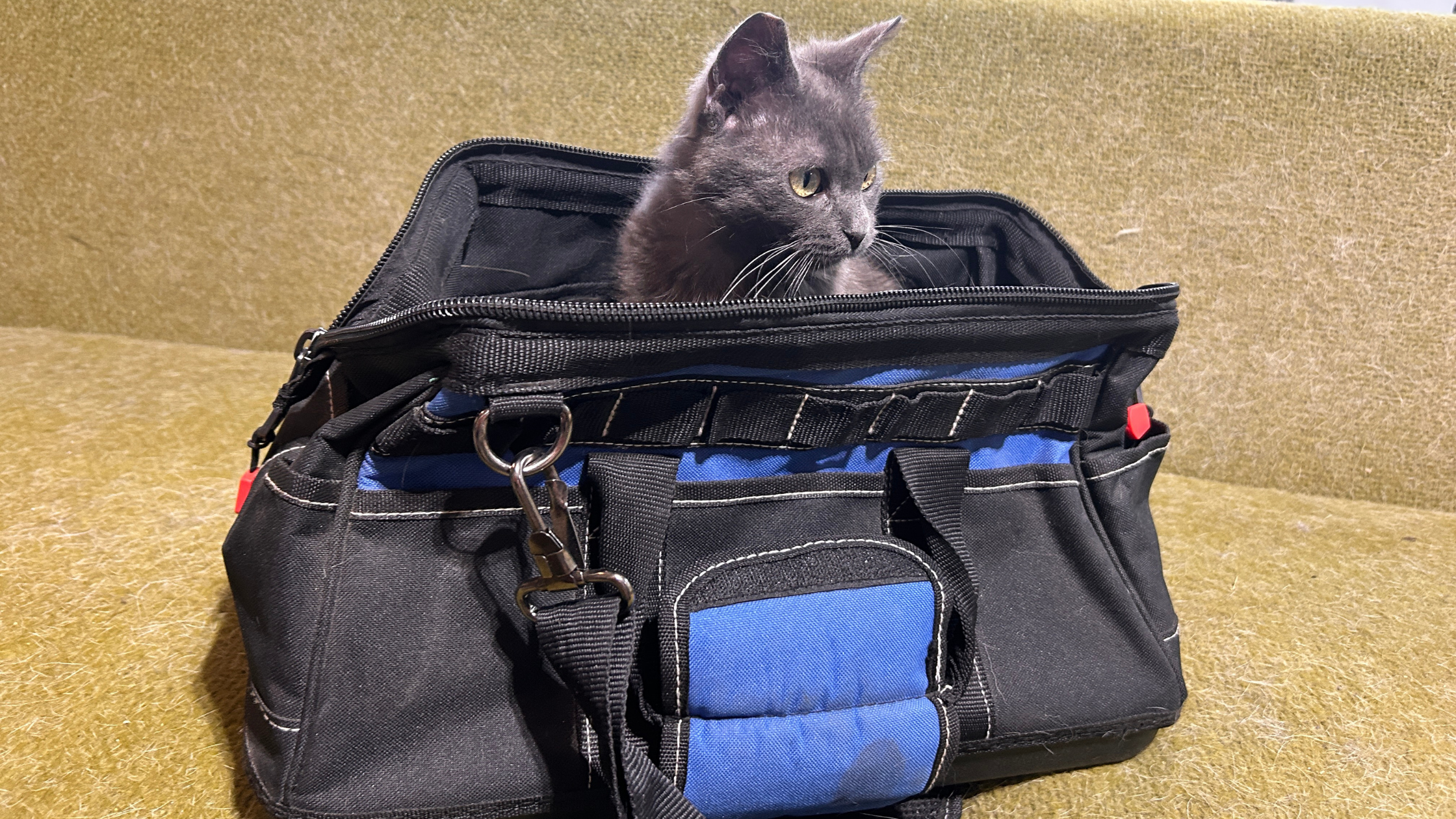
Quick Summary: A mental health toolbox is a personalized collection of coping strategies (like grounding, CBT techniques, and boundary setting) designed to help you regulate your nervous system and manage stress.
It wasn't that long ago that I was teased about therapists promoting and encouraging people to build personal "tooooool boxes." Yes, it was said exactly like that, complete with exaggerated air quotes.
You know the one I'm talking about—the therapeutic toolbox filled with ideas to help regulate your heart, mind, body, and soul when emotions or thoughts are creating discomfort or dysfunction in your life.
That thing.
The comment got me thinking about the importance of having variety within a toolbox.
I understand the skepticism. There are millions of people promoting different breathing techniques, apps, meditations, fidgets, journals, and movement practices, all in the name of helping people regulate their nervous systems. It can feel overwhelming. Frustrating, too. Sometimes it may even make us question whether any of it really works.
And then I remember what a typical, well-stocked toolbox looks like.
Why One Tool Isn’t Enough
We need more than one hammer because a sledgehammer isn't useful in every situation. The same is true for emotional regulation. The tool that works for me on Saturday may not be the tool that helps me on Tuesday. A breathing exercise that feels grounding one day may feel ineffective the next. Different circumstances require different tools.
So, what are some of the basics that belong in a therapeutic toolbox?
1. Grounding & Sensory Tools for Anxiety
These are immediate, physical actions that help shift your focus away from anxiety or discomfort and bring you back to the present moment. Such as:
- Intentional breathing patterns
- Focusing on things you can see, hear, feel, smell, or taste
- Checking in with basic needs such as rest, hydration, and nourishment
2. Cognitive Reframing Strategies
These techniques, often derived from Cognitive Behavioral Therapy (CBT), help challenge and reframe unhelpful thought patterns.
- Thought logs: Writing down a distressing thought, identifying possible cognitive distortions, and creating a more balanced perspective.
- Reframing: Shifting from "This problem is impossible" to "This is difficult, but I can address it one step at a time."
- Looking for evidence: For example, "She must be mad at me because she ignored me when I walked into the office." Before accepting that thought as fact, examine the evidence. What is your history with this person? What else might be going on in their life? What do you actually know?
3. Behavioral Activation Techniques to Improve Mood
Behavioral activation, which involves scheduling small, manageable, and rewarding activities throughout the day to increase engagement and energy to shift our mood.
Small intentional wins might look like:
- Taking a walk outside
- Practicing a breathing exercise
- Coloring or engaging in a creative activity
- Resting your eyes for a few minutes
- Calling a friend
- Watching a funny video (like Jimmy Fallon bloopers) and having a good laugh
4. Self-Reflection and Psychoeducation
These tools foster insight and help you better understand your own thoughts, emotions, and responses.
Ways to deepen your self-understanding include:
- Guided journaling: Using prompts to process experiences and deepen your connection with yourself.
- Psychoeducation: Reading or listening to resources about emotional regulation, trauma responses, communication styles, or nervous system functioning.
This type of learning can be incredibly empowering and reminds me of the phrase: "You have to name it to tame it."
5. Boundary Setting & Stock Responses
Sometimes the most useful tool is having a plan before you need it. Boundary setting is a vital part of mental health maintenance.
Create a Pause
When asked to do something—personally or professionally—practice creating space before responding. Use phrases like:
- "I need to check my schedule."
- "Let me get back to you on that."
This pause allows you to tune in to what you need, assess your capacity, and decide whether an action plan is necessary or whether the responsibility belongs elsewhere.
Create Stock Responses
Having a few prepared responses can be helpful when you know certain questions or situations are likely to arise.
For example, imagine Auntie Jean is going to quiz you about your love life at the next family reunion.
You might respond:
"I'm taking things slow and making sure I'm honoring what I need in a partnership."
If Auntie Jean continues to ask for details:
"I appreciate how much you care about me. I'm really happy with where I am in life right now."
Prepared responses can help you communicate clearly while maintaining boundaries and sharing only what feels right for you.
Building a Toolbox That Works for You
What I personally value in a toolbox is variety, depth, accessibility, and choice.
Some tools travel well. You can practice breathing techniques almost anywhere and often without anyone noticing. Other tools require more time, space, or support.
The best mental health toolbox is the one that matches your capacity, interests, preferences, and current circumstances. A tool is only helpful if you're willing and able to use it.
Common Questions About Building Your Mental Health Toolbox
What is a therapeutic toolbox?
It is a collection of strategies and skills used to manage stress, anxiety, and difficult emotions.
Why isn’t one coping skill enough?
Because different situations (work stress vs. personal grief) require different physiological and mental responses.
How do I know which tool to use?
Start by checking in with your body. If you feel "high energy" (anxiety), use grounding. If you feel "low energy" (sadness), try behavioral activation.
Where can I find support for building a personalized mental health toolbox?
Working with a professional can help you identify exactly which tools fit your unique circumstances. If you are looking for support in the greater Mankato area, you can connect with me to explore strategies tailored specifically to you.
Final Thoughts on Emotional Well-being
A well-stocked toolbox isn't about having every tool available. It's about having enough options to meet yourself where you are on any given day.
If you'd like support exploring which coping tools might work best for you, I'd love to help. Reach out to schedule a session.
.png?height=200&name=Be%20Like%20a%20Squirrel%20Preparing%20for%20Your%20Future%20Self%20(5).png)